
Essentials to keep in your EV

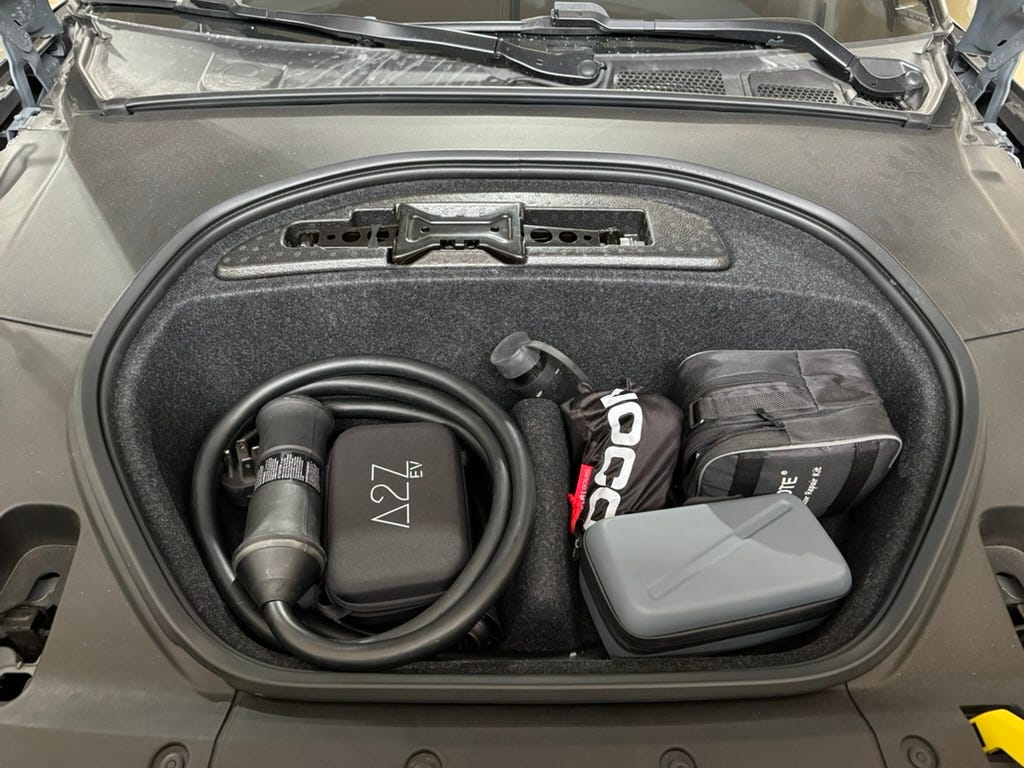
I often get asked what things people should keep in their EV “just in case”. Here are some useful things I like to keep in my Polestar 2, in no particular order. I tend to keep things that I don’t need often in the frunk and others stuff in the subfloor of the rear hatch.
Tire Inflator
It’s important to have properly inflated tires on any car for safety, but with an EV it also helps get you your best efficiency. I keep a small, battery-powered tire inflator in the frunk. It doubles as a phone battery back, although I haven’t had to use it for that.
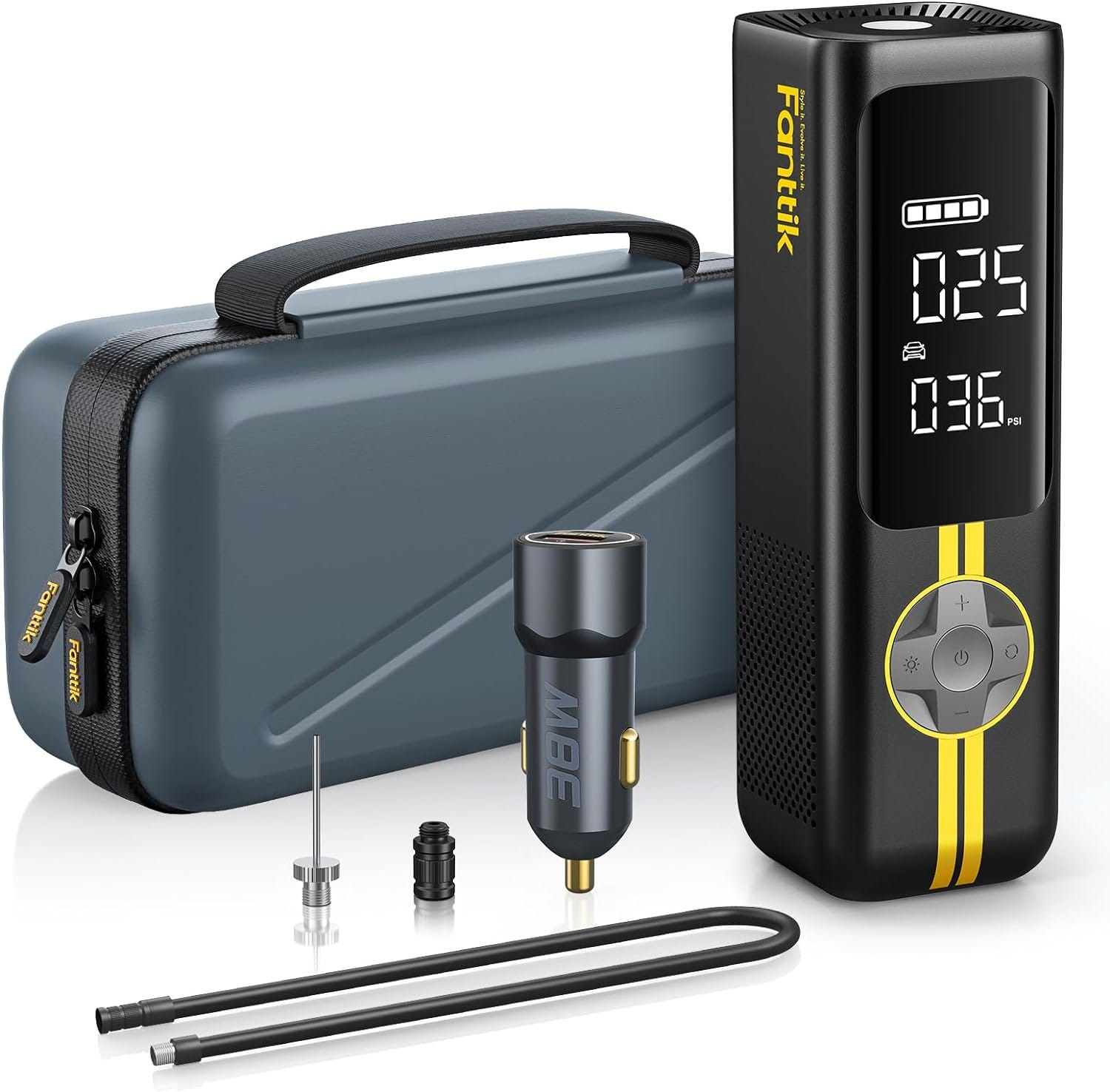
You should always check your tire pressure when the seasons change at a minimum, but even when there has been large temperatures swings. In particular, tire pressure can drop when air temps drop and lower pressure reduces efficiency and if it is dangerously low, it runs the risk of overheating the tire and causing a blowout.
Tire Repair Kit
Most EVs do not come with a spare tire. This is to save weight and space. If you don’t have some sort of road-side assistance, such as AAA, then you might want to think about getting it. But you can also keep a tire repair kit in the car as well. New EVs will come with this, but a used EV might not. A tire repair kit can vary, but typically has a bunch of “plugs” that you can use to patch up a leak. These kits do not provide a way to permanently repair a tire, but are designs to stop a leak enough so you can get to a tire shop to have the tire properly inspected and then repaired or replaced.
Charging Adapters
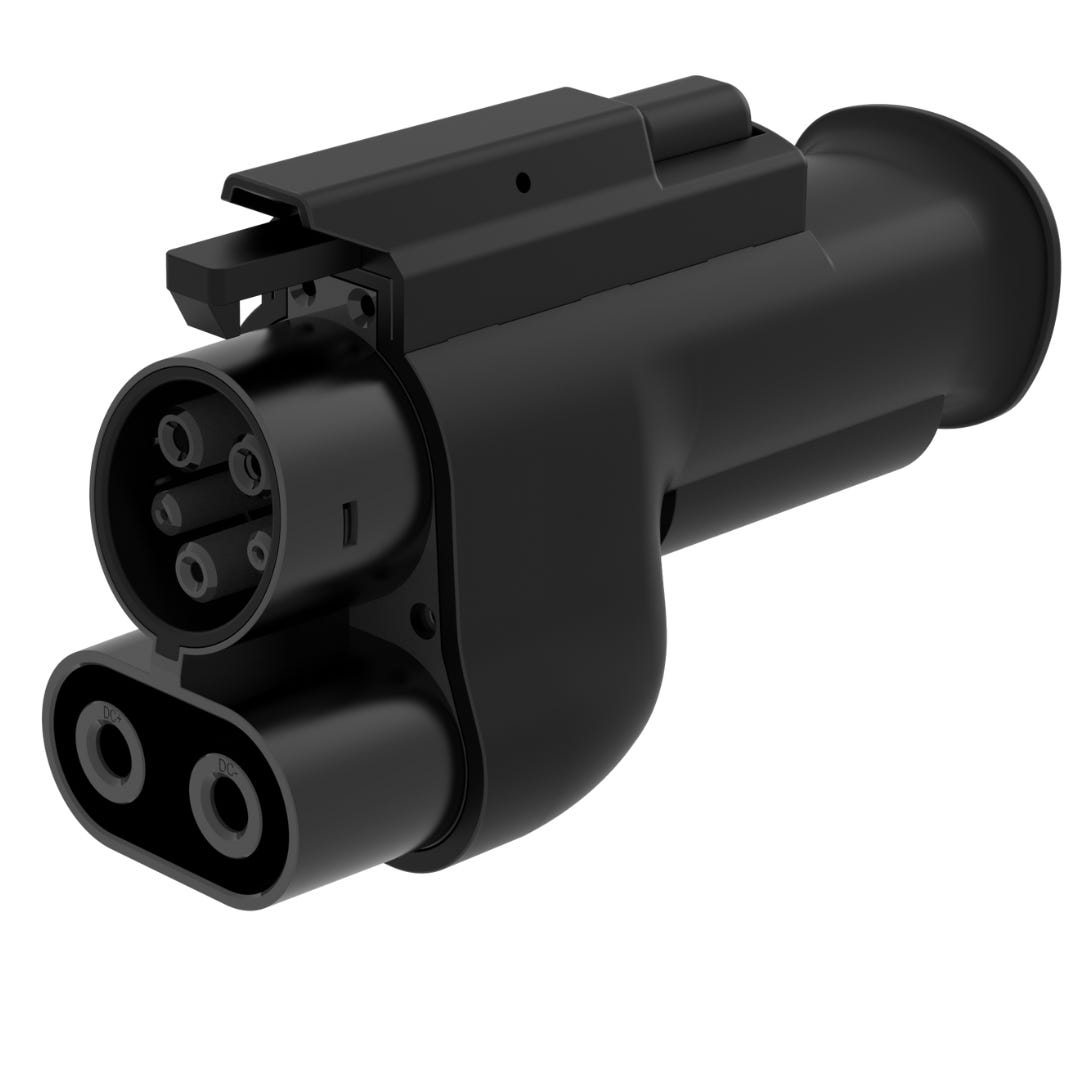
For the most part, EVs use the CCS fast charging standard, but more and more EVs are also able to charge at Tesla Superchargers. However, to do so, you’ll need an adapter to go from CCS to the Tesla NACS plug.
I use the A2Z Typhoon Pro adapter, which is kept handy in the frunk.
Portable Charger
A portable charger is a cable that you can use to plug into an AC outlet. I have a ChargePoint level 2 charger installed in my garage, so that is what I use to charge at home.
But most EVs also come with their own “portable charger” that can be used with a standard household outlet. My Ioniq had a simple one that could charge (slowly) at a standard 110-volt outlet. My Polestar 2 came with a fancier one that could also work with a 240-volt outlet.
I’ve never used my portable charger, but I keep it in the frunk. If I were visiting someone for more than a day, this charger could perhaps be used with an outlet in a garage to provide a little extra juice. It’s also handy to have for emergencies when you need a little extra power and can sometimes be used in parking garages or with outlets on light poles.
If your car didn’t come with one or no longer had one, you can pick up one anywhere. You don’t need one specific for your EV. It just has to match the plug (J-1772 or NACS).
Portable Vacuum
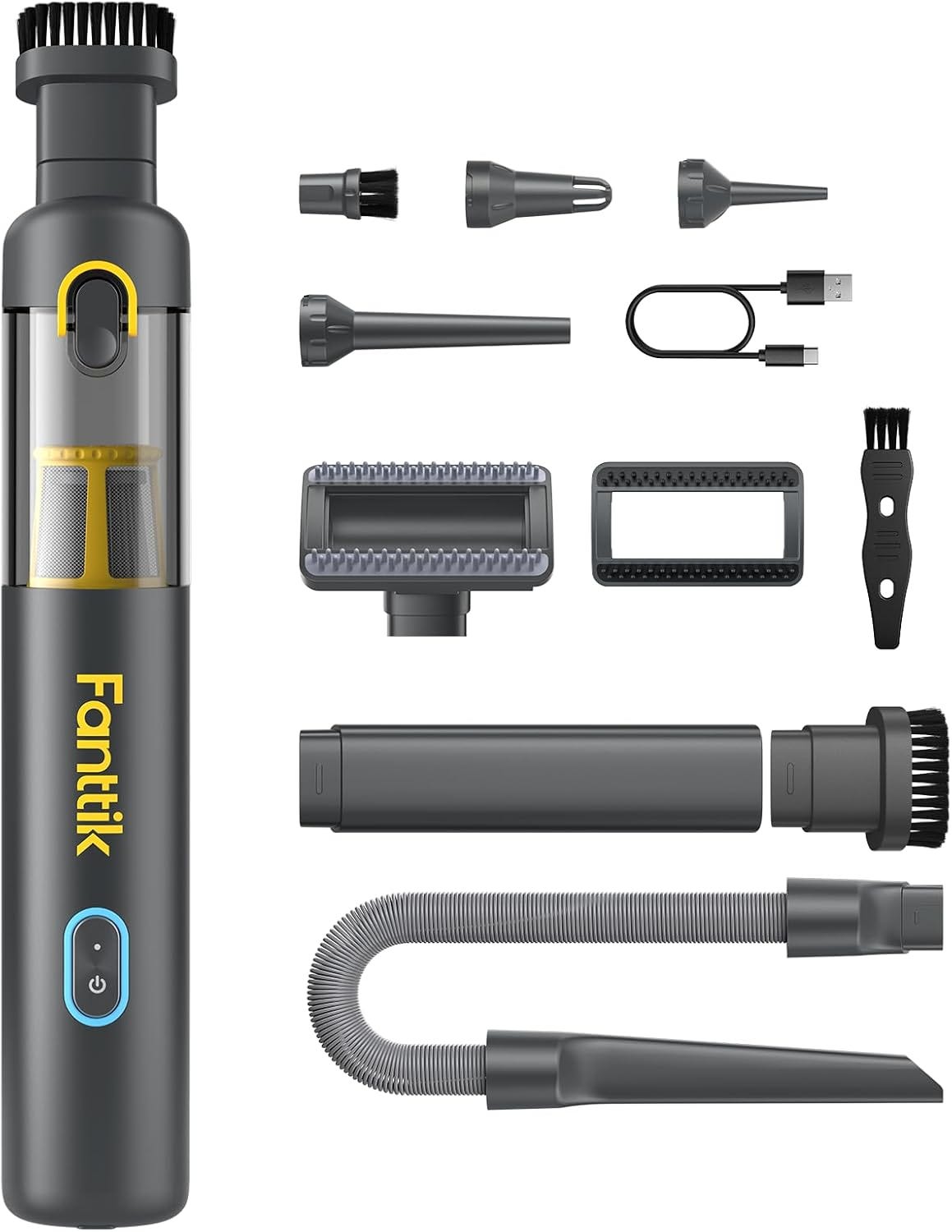
I’ve always been a bit of a neat freak when it comes to my cars. I like to keep the clean and one of my favorite things I purchased in the past year is a small, portable, battery-powered vacuum (a Fantik). I keep this in the back hatch area in the side pocket and can grab it to vacuum up dirt and dog hair in a snap. This my favorite!
Power Converter
An EV has a giant battery and sometimes you might want to take advantage of it for other things. My Polestar does not have Vehicle-to-Load (like Ioniqs), so it doesn’t have much in the way of power output. It has some lower power USB ports in the cabin and a single 12-volt (150 watt) outlet in the hatch area.
I have a small 150 watt power inverter that connects to the 12-volt plug in the back and gives me a standard outlet for small electronics plus a couple more USB ports.
Portable Jump Battery
My most recently added gadget is a jump battery. This are designed to charge the 12-volt car battery and can also provide a jump start to a gas car.
In the case of an EV, they are useful because the 12-volt battery is incredibly important and if it loses it charge, the car won’t work at all, even if its main battery is 100% charged.
With this little guy, I can let it charge the 12-volt back up so that the EV can start and then do its thing to charge the 12-volt back up. Because a gas car relies on the 12-volt battery to crank the engine, you start to notice when it gets weak: it’ll take extra cranks to start. But with an EV, you don’t often get much warning that the 12-volt battery is about to die, so having this in the car could save you from getting stranded.
Current Notes Merch
There are no affiliate links in this post, but I do have to throw out that you can purchase some Polestar-themed merch to help support Current Notes. We’ve got some hats and t-shirts you might like. Check them out in the Shop.

More Generally Useful Things
Those are the primary EV-specific things I keep in my car. Of course, there are plenty of other things I have on hand that everyone should keep in their vehicle, regardless of whether or not it is an EV.
Here’s a quick list:
Blanket
Shopping bags
Doggie bags (even if you don’t have a dog, these can be handy)
Doggie treats (always give dogs treats)
Water bottle
Tissues
Glass cleaning cloth (those big infotainment displays get lots of fingerprints)
Hat
Gloves
Flashlight
Tire gauge
Snow brush / ice scraper
Cleaning wipes (keep that backup camera lens clean in the winter)
Small shovel
Towel
Small toolkit
Window breaker
AAA card